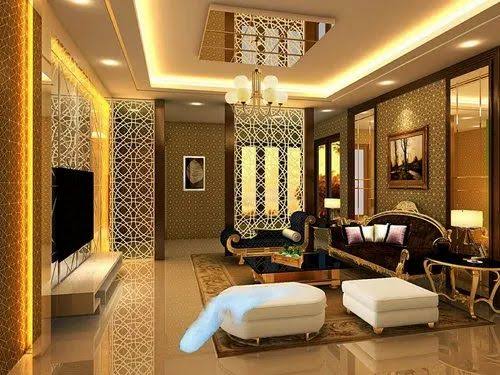
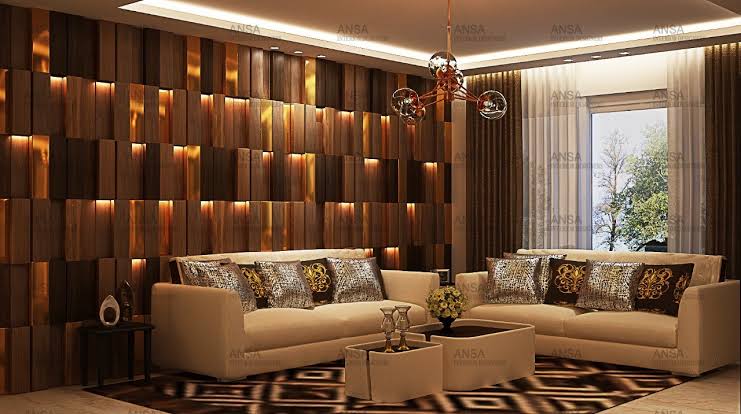
Concept designing is a pivotal phase in the development of turnkey projects, as it lays the creative foundation upon which the entire project will be built. This stage is where the initial vision and ideas are transformed into a cohesive design concept that aligns with the client’s requirements and objectives.
Here’s an overview of the content and considerations for concept designing in turnkey projects:
Client Collaboration:
The concept designing process begins with in-depth discussions and collaboration with the client. It’s essential to understand the client’s vision, preferences, and functional requirements. This collaboration helps in creating a design concept that is tailored to the client’s specific needs and reflects their style.
Mood Boards and Inspiration:
Designers often use mood boards, visual references, and inspiration images to convey the overall look and feel they intend to achieve. This visual representation allows clients to grasp the design concept more easily and make informed decisions about the project’s direction.
Space Planning:
It is a fundamental element of concept designing. It involves defining how the available space will be used efficiently to meet the client’s objectives. This may include the arrangement of furniture, the flow of the space, and the allocation of specific areas for various functions.
Aesthetic Elements:
The concept design phase includes defining the aesthetic elements of the project. This encompasses color schemes, materials, textures, and overall design style. Whether it’s a modern, minimalist, traditional, or eclectic design, the concept should clearly communicate the intended aesthetic.
Layout and Flow:
Consideration of the layout and flow of the space is crucial. The design should optimize the functionality of the area while maintaining a harmonious and aesthetically pleasing arrangement. It’s important to ensure that the design not only looks good but also functions effectively.
Lighting and Ambiance:
Lighting plays a significant role in creating the desired ambiance. The concept design should outline the type of lighting fixtures, their placement, and their contribution to the overall atmosphere of the space.