Detail Designing

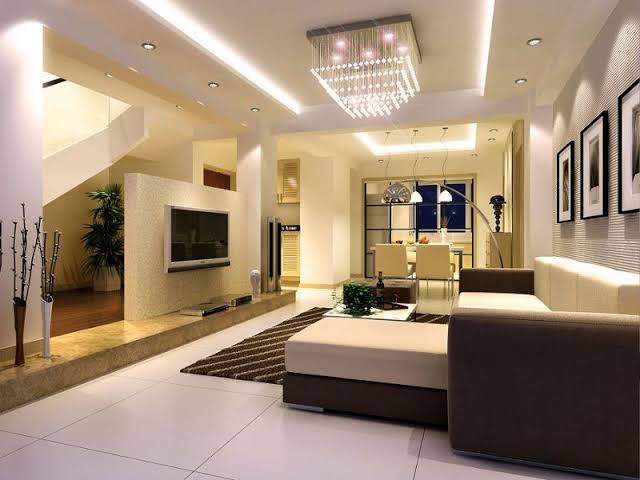
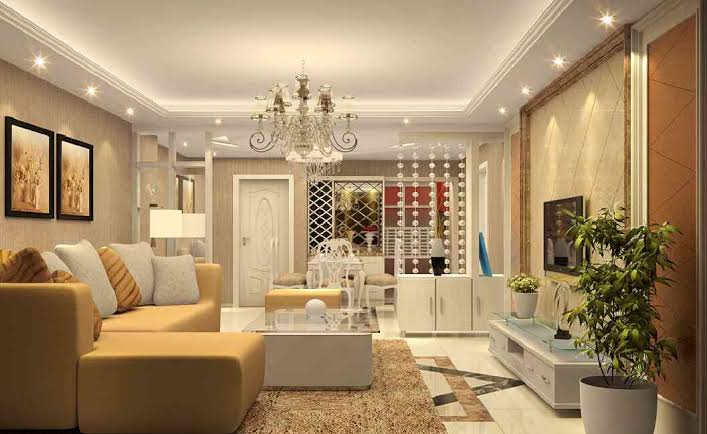
Detail designing is a critical phase in the development of turnkey projects, where the creative and functional concepts developed in the initial stages are refined and translated into comprehensive, detailed plans that guide the project’s execution. This phase focuses on turning the conceptual vision into a practical and actionable design.

Here’s an overview of the content and considerations for detail designing in turnkey projects:

Architectural Drawings:

Detailed architectural plans are created, including floor plans, elevations, and sections. These drawings specify the exact layout of the space, the placement of walls, doors, windows, and structural elements.

Interior Layout:

Detailed interior layout plans are developed to show the precise placement of furniture, fixtures, and equipment. This ensures that the interior space is optimized for functionality and aesthetics.
Material Selection:

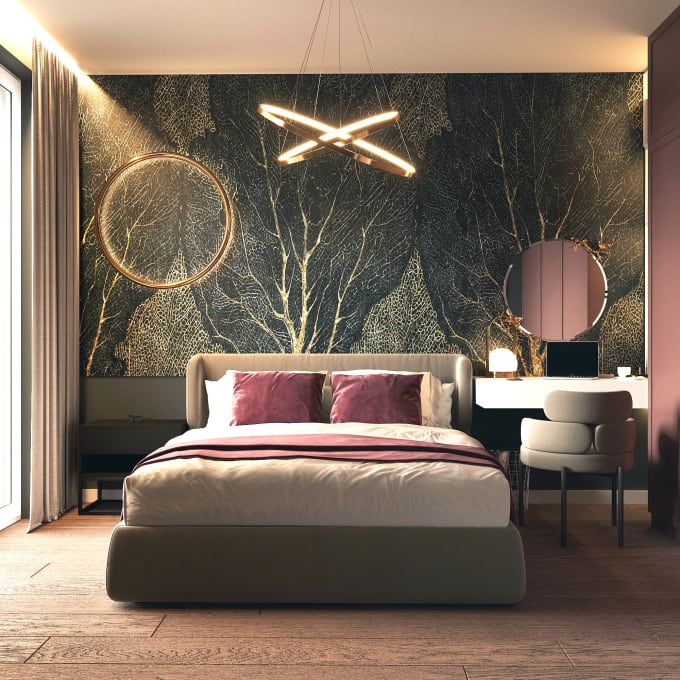
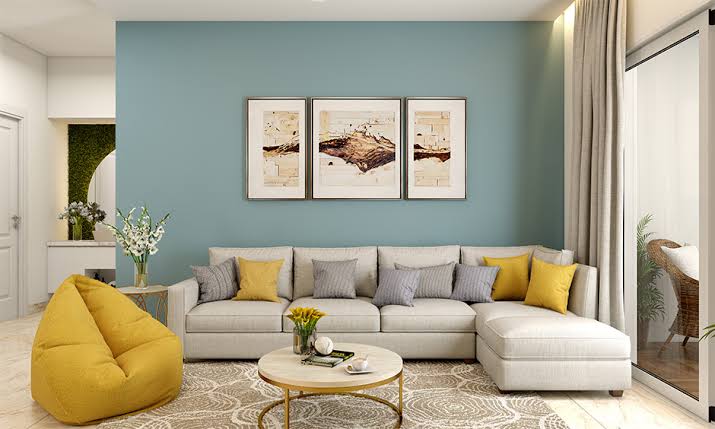
Specification of materials and finishes is a key aspect of detail design. This includes choosing flooring materials, wall coverings, paint colors, fabrics, and any other surface materials that will be used in the project.

Fixtures and Fittings:

Selection of fixtures and fittings, such as lighting fixtures, plumbing fixtures, cabinetry, and hardware, is detailed in this phase. Specifications are provided for each item, including manufacturer, model, and finish.

Electrical and Lighting Design:

Detailed electrical plans indicate the placement of electrical outlets, switches, and lighting fixtures. Lighting design may include a variety of fixtures to create the desired ambiance and functionality.

HVAC and Mechanical Systems:

If applicable, detailed plans for heating, ventilation, air conditioning, and other mechanical systems are developed to ensure efficient and effective operation.

Custom Millwork:

If custom millwork is part of the project, detailed drawings are created to specify the design, dimensions, and materials for items like built-in shelving, cabinetry, and decorative elements.

3D Visualizations:

Detailed 3D visualizations and renderings are often used to provide a realistic preview of the space. This helps clients and stakeholders better understand the final design and make informed decisions.

Compliance with Building Codes:

The detail design phase ensures that the project complies with all relevant building codes and regulations. Any necessary permits and approvals are obtained.

Cost Estimations:

Detailed design plans allow for accurate cost estimations. This is a crucial step in managing the project budget, as it helps identify any potential cost overruns early in the process.

Specifications:

Detailed specifications are created for each element of the project, specifying the type, quality, and quantity of materials and products to be used. This information is vital for procurement and construction.

Sustainability and Efficiency:

Detail design may include considerations for sustainability, energy efficiency, and environmental responsibility, incorporating eco-friendly materials and systems where possible.

Accessibility:

Compliance with accessibility standards and guidelines is an important aspect of detail design, ensuring that the project is accessible to all individuals.

Collaboration with Contractors:

Close collaboration between designers and contractors is essential during this phase to ensure that the design is both aesthetically pleasing and constructible within the specified budget and timeline.